Mobile Tire Repair Houston with Quick On-Site Service
Skilled Tire Fixes: Return to Driving Securely and Promptly
Expert tire maintenance play a vital role in maintaining vehicle security and efficiency. Trained technicians conduct comprehensive inspections to detect various tire problems. From punctures to balance problems, each issue needs meticulous attention. Understanding when to seek professional help can prevent further damage. As drivers handle these difficulties, they may wonder about the best repair options and upkeep practices. Exploring these topics can lead to knowledgeable decisions and safer journeys ahead.
Typical Tire Troubles to Familiarize Yourself With
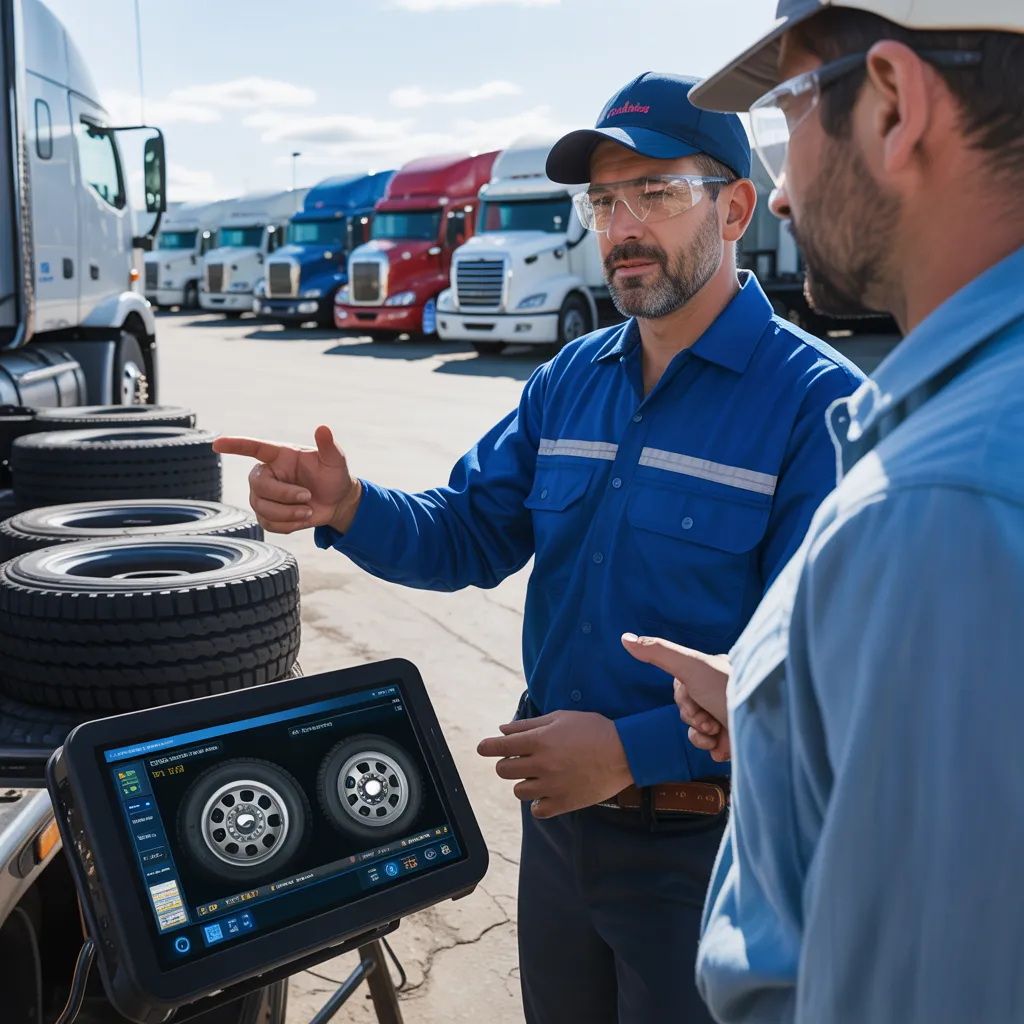
When motorists fail to check their tires, they may encounter several common issues that can undermine safety and performance. One common problem is underinflation, which can cause increased tire wear and lower fuel efficiency. Over time, this can cause the tires to overheat, boosting the risk of a blowout. Another common problem is tread wear, which affects traction and handling, particularly in wet conditions. Uneven wear may indicate alignment or suspension issues, requiring further inspection. Additionally, drivers may encounter punctures or sidewall damage from road hazards, resulting in slow leaks or complete tire failure. Routine tire maintenance including rotations and inspections with correct inflation are critical for preventing these issues. Finally, climate effects can also contribute to tire degradation, making it vital for drivers to monitor their tire health. By recognizing these common problems, drivers can enhance their safety on the road.
When to Identify About Getting Tire Repairs: A Tutorial?
ongoing requirement for topping up also indicates that repairs may be essential.
Drivers need to pay close attention to handling and performance changes, such as jerks or pulling to one side, which could hint at tire imbalances or internal damage. Also, regularly checking the tread's depth is necessary; tires with bald or worn patches undermine traction. By noticing these signs, drivers can ensure timely repairs, supporting both safety and vehicle longevity. Dealing with these issues quickly not only guards against potential accidents but also minimizes more extensive repair costs later on.
Insights Into What Happens During Tire Service Operations
The tire restoration process typically requires several essential procedures to guarantee safety and efficiency. First, a technician inspects the tire for noticeable damage and assesses its full condition. This assessment helps determine whether the tire can be repaired or should be replaced. Following the inspection, the technician may take off the tire from the wheel to uncover punctures or internal damage.
Once any issues are identified, the specialist cleans the damaged area and prepares it for repair. This may include installing a seal or plug, based on the type and review now location of the damage. After the repair is completed, the tire is remounted and correctly inflated to the manufacturer's requirements.
Finally, a quality assessment confirms that the repair meets safety guidelines. Throughout the workflow, service professionals focus on dialogue, updating the patron of findings and advice. This structured approach assures a trustworthy restoration, permitting vehicle operators to go back to the road with confidence.
DIY Tire Restoration Measured against Professional Solutions
Once learning the tire repair procedure, many motorists may evaluate whether to manage fixes by themselves or get professional assistance. DIY tire fixes can be appealing, especially for those with basic mechanical skills and tools. Easy perforations can often be repaired using mending kits available at auto supply stores, saving both effort and money. However, this method carries dangers if proper techniques are not utilized, potentially resulting in further damage or safety concerns.
On the flip side, professional tire repair services deliver proficiency and specialized equipment. Skilled technicians can precisely assess tire damage, guaranteeing repairs are dependable and safe. They can also spot underlying problems that a do-it-yourself method might fail to notice. In the end, the choice between do-it-yourself repairs and expert help is based on the driver's confidence, expertise, and the extent of the tire damage. Formulating a knowledgeable decision is critical for maintaining safety while driving.
Tips for Finding the Ideal Tire Repair Service
What steps can motorists take to ensure they select the top-rated tire repair service? First, they should investigate nearby options, paying attention to customer reviews and scores. This information provides perspective into the quality of service and reliability of various shops. Next, checking for credentials and affiliations with reputable automotive organizations can suggest competence and expertise.
Moreover, drivers should question the types of repairs offered, ensuring the facility can handle their distinct tire problems. Transparent pricing is also critical; trusted shops give clear quotes without hidden charges.
Moreover, analyzing the shop's warranty policies on work performed can give reassurance. Finally, ease of access is crucial—closeness to your home or workplace, as well as operating hours, can shape the decision. By reviewing these factors, drivers can confidently pick a auto repair shop that satisfies their needs efficiently.
Advantages of Periodic Tire Upkeep
Regular tire upkeep delivers numerous benefits that extend the life span and output of tires. By routinely checking tire pressure, tread wear, and overall condition, vehicle owners can ensure optimal grip and handling. Proper inflation reduces wear, improving fuel efficiency and saving money at the pump. In addition, regular inspections can help detect problems such as uneven wear or harm, enabling for timely repairs that prevent greater issues down the road.
Maintaining tires also improves safety by reducing the risk of tire bursts or accidents caused by insufficient tread. Furthermore, a well-serviced set of tires provides a smoother ride, enhancing comfort for both driver and passengers. Spending time on regular tire maintenance allows individuals to maximize the value of their investment, guaranteeing reliable performance and peace of mind while driving. To sum up, regular tire maintenance is a key factor in responsible vehicle ownership.
Suggestions for Sidestepping Future Tire Problems
Maintaining tires proactively can greatly lessen the odds of forthcoming problems. Regularly checking tire pressure is vital; underinflation can lead to premature wear and compromised fuel efficiency. It is suggested to scrutinize tires for visible wear, such as cuts or bulges, which may denote structural issues. Rotating tires every 5,000 to 8,000 miles helps confirm even wear, lengthening their lifespan.
Additionally, keeping correct alignment and balance is important to avoid uneven tread wear. Drivers should also check tread depth, employing the penny test as a simple method; if Lincoln's head is visible, it's time for a replacement. Finally, preventing excessive loading of the vehicle can prevent excessive strain on tires. By implementing these strategies, vehicle owners can enhance tire longevity and support a safer driving experience.

Common Questions Raised
What length of time should you expect for a standard tire repair?
A everyday tire repair generally requires 30 minutes to an hour subject to the degree of damage and the type of repair needed. Elements like technician availability and shop volume can also affect the overall duration.
Is Every Tire Type Able of Being Repaired?
Not every tire type is capable of being fixed. In most cases, tread punctures on passenger tires could be repairable, whereas sidewall damage, extreme wear, or tires that have had numerous fixes often require purchasing new tires to guarantee safety.
Understanding the Cost of Getting Your Tires Fixed?
The price of tire repairs usually falls from $10 to $30, depending on the wear and area. Factors such as tire kind and repair shop may influence the final cost, making it subject to change.
Does Your Insurance Protect Tire Damage Repair?
Coverage for tire fixes depends on your insurance plan. Many plans offer emergency roadside support and repair expenses, but some policies may exclude such benefits. It's essential for people to review their specific coverage information to determine what coverage applies to tire repairs.
How Might I Extend the Life Span of My Tire?
To lengthen a tire's service life, consistent upkeep is essential. This encompasses keeping tire pressure at correct levels, performing regular tire rotations, checking wheel alignment, preventing overload conditions, and inspecting tread depth for signs of wear or damage.